

Born behind the bar: how client feedback shaped Yugo
October 15, 2026 | Quebec, Canada
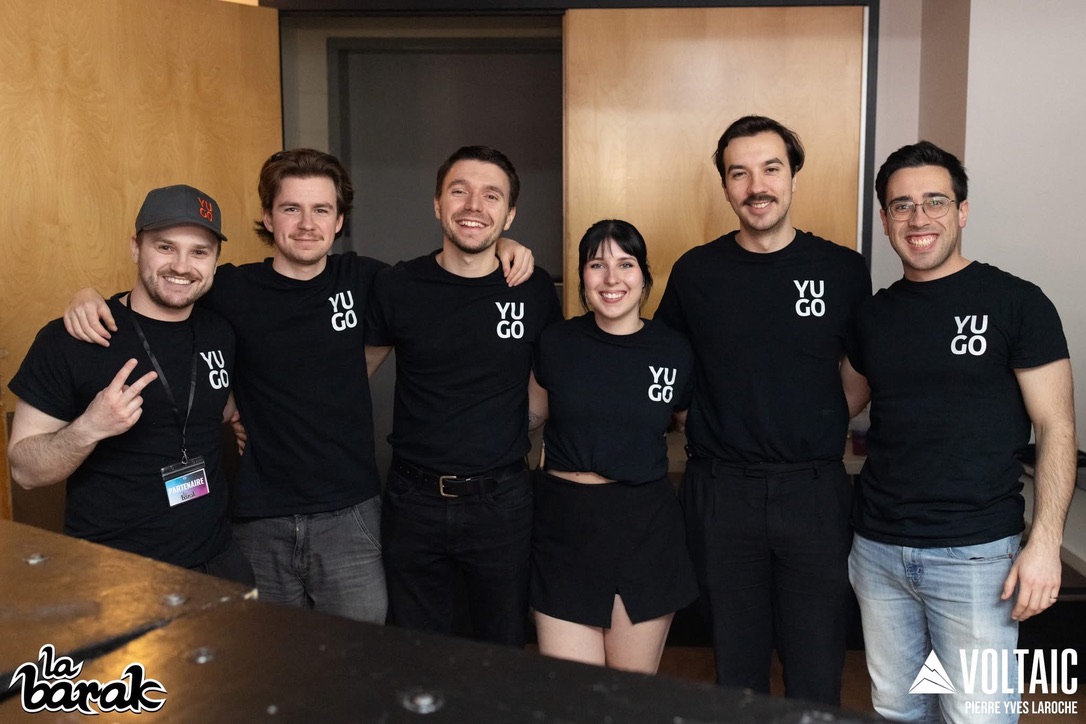
Yugo wasn't born from a pitch deck, but right behind the bar.
At Université Laval parties, we were volunteers. We lived through the rush hours, with an endless line in a tight space and customers growing impatient. In the moment, more volunteers seemed like the only solution.
Looking back, what we really needed was a better way to handle those rush hours. No solution existed on the market.
The problem behind the bar
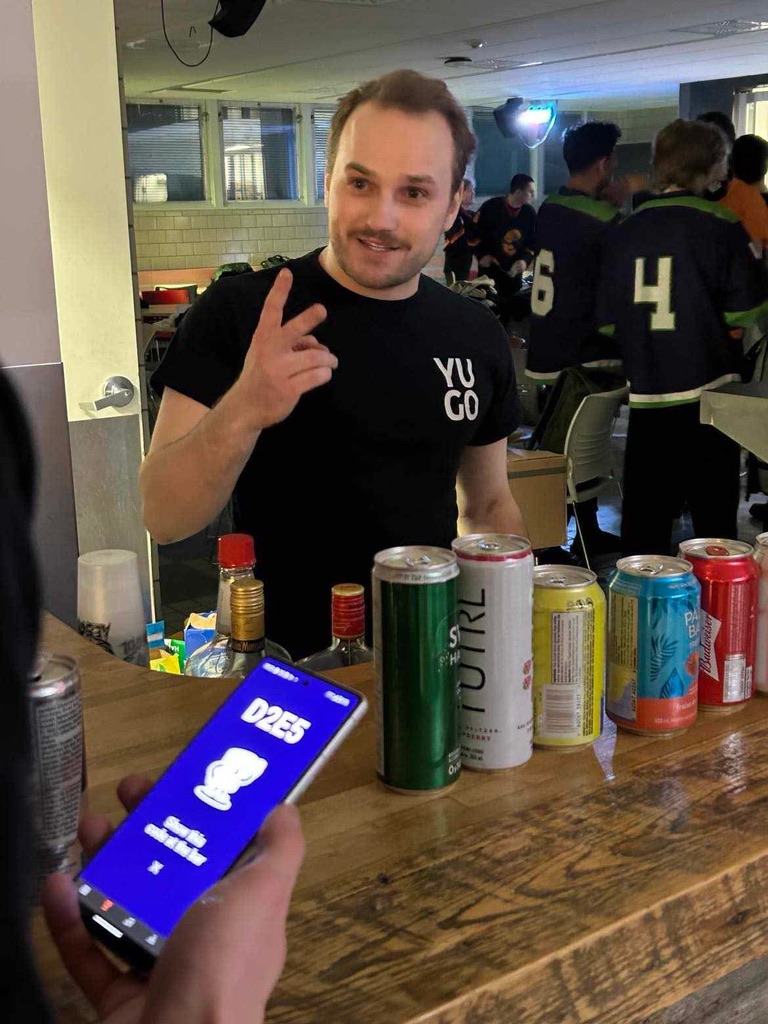
At peak hours, the line just kept growing. We repeated the menu to every person, letting them know about last-minute promos and items that were out of stock. Not to mention payments slowing everything down, in a noisy room and late at night. New volunteers lost time calculating totals with promos and the reusable cup deposit, which led to lost revenue.
On the other side of the counter, customers were losing something else: the song they wanted to dance to, the conversation with their friends, the start of the show. In short, too much inefficiency behind the bar and too much waiting in front of it.
Before having a product
In spring 2024, we formed the team. Before coding anything, we wanted to know if the problem existed beyond ULaval parties.
We quickly put together mockups in Figma and went to meet concert venues, bars and restaurants in the Quebec City area. We always asked the same key questions. We wrote down the answers and asked for feedback on the idea. Finally, we asked whether they would use the product tomorrow if they had it in their hands.
That's when some of them agreed to sign a letter of intent to make their interest official. That gave us the confidence to start the project. The idea was simple. We wanted to let people order and pay from their phone, clearly see their wait time in the virtual queue, then get a notification when their order is ready, all without creating an account.
ULaval as a sandbox
In summer 2024, while the campus was empty, we built a minimal first version of Yugo. We cut everything that wasn't essential so we'd be ready for the fall.
In fall 2024, we ran our first tests at improv nights of 30 to 50 people. A small crowd was perfect. We could fix problems in the app on the spot, and talk with almost everyone who ordered to ask for their feedback.
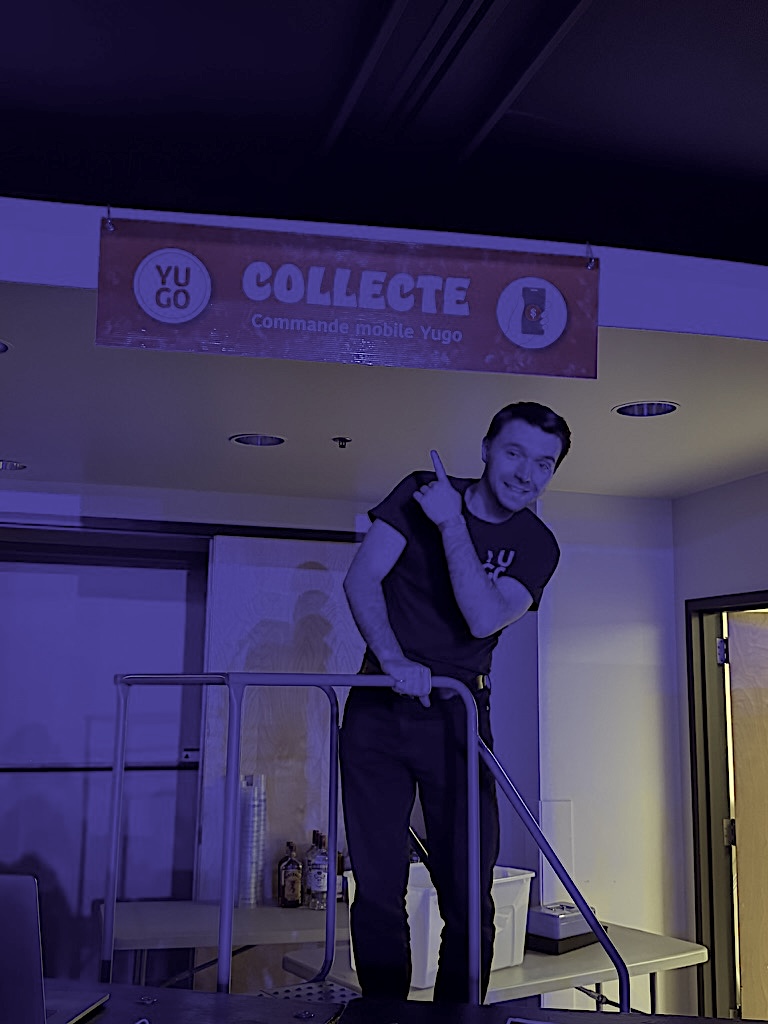
It became a weekly habit. We'd hang the Yugo banner, plug in the iPad for the staff, serve customers, then listen to them. Every night brought new feedback, and we built it into the next version.
Test, listen and improve
In winter 2025, we moved up to 1,000-person parties. It was a whole different world. Orders came in all at once, there were several counters to run, information to get across clearly to customers, and volunteers to train in a few minutes before the doors opened.
We kept the same loop as before. We'd ship a new feature, test it at a party, gather feedback from staff and attendees, then build the next iteration.
Every pain point, like deposit items, rush moments, payments and volunteer training, showed us what to build next. So we truly built Yugo with the people who live the event.
From 30 to 5,000 people
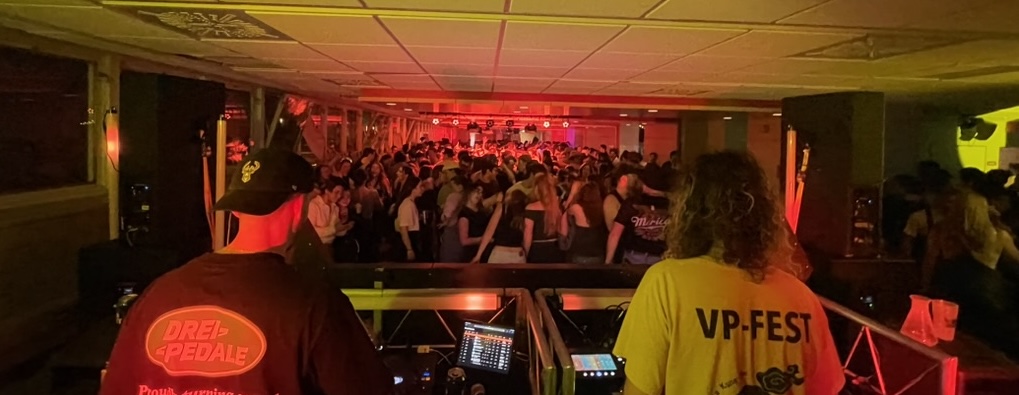
In summer 2026, Yugo was running at a 5,000-person festival. For a team that started out testing in front of 30 people at an improv night, it was a real milestone.
That said, the team hasn't changed the way it works. We're still on site during events, watching how people use Yugo, and taking the time to chat with customers and staff at the end of the event.
And this is just the beginning! We keep building Yugo with the people who bring events to life and the people who come to enjoy them.